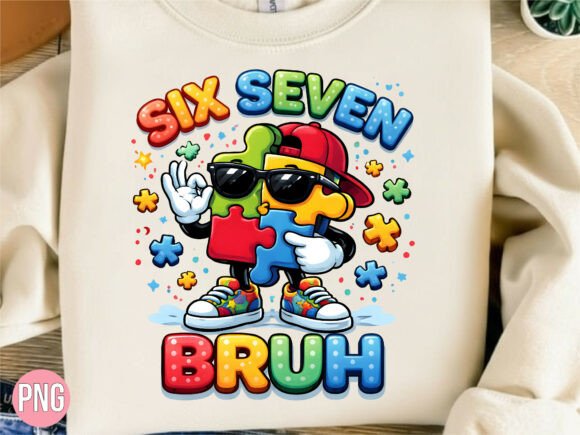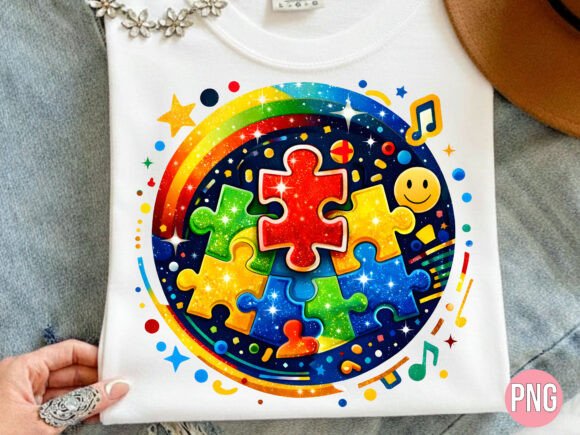
Understanding Rainbow Puzzle Piece Autism Awareness Designs
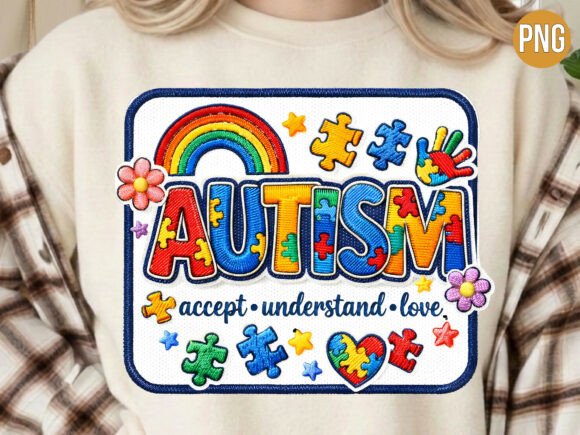
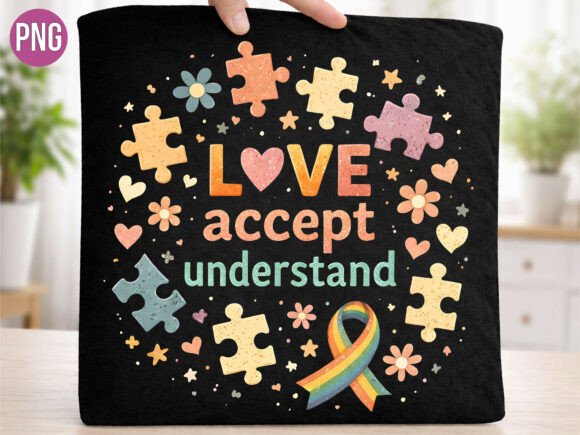
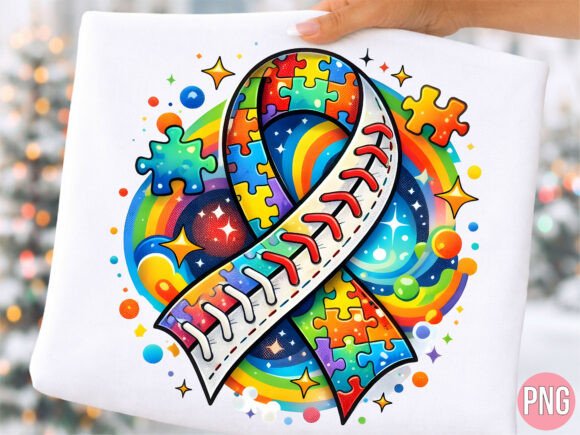
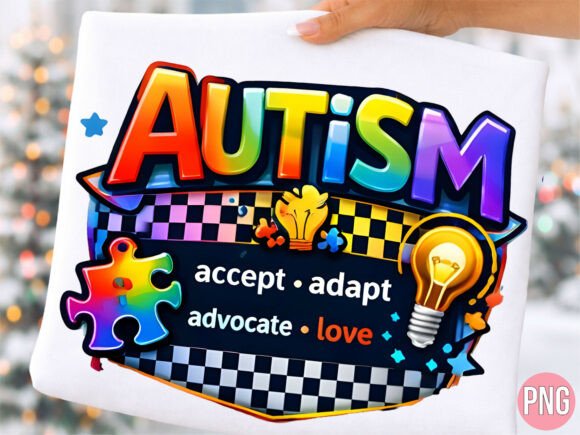
The visual language surrounding neurodiversity has evolved significantly in recent years, with the Rainbow Puzzle Piece Autism Awareness motif remaining one of the most recognizable symbols in public discourse. For designers, creators, and advocates, understanding the nuances of this imagery is essential before integrating it into creative projects. Whether you are developing materials for Print on Demand platforms, creating educational resources, or designing personal items, the choice of imagery carries weight. This article explores the practical considerations, benefits, and contextual appropriateness of using high-quality digital designs featuring this symbol, helping you determine if it aligns with your specific goals.
The Symbolism and Context of the Puzzle Piece
To evaluate the suitability of a Rainbow Puzzle Piece Autism Awareness design, one must first understand its historical and cultural context. The puzzle piece was originally adopted by autism advocacy organizations in the 1960s to represent the complexity and mystery of autism. The addition of rainbow colors later symbolized the diversity of the spectrum. For many families and traditional advocacy groups, this imagery remains a primary identifier for Autism Acceptance Month and related fundraising efforts.
However, the conversation around this symbol is not monolithic. In recent years, some self-advocates and neurodiversity proponents have shifted toward the infinity symbol, arguing that the puzzle piece implies that autistic individuals are "missing" a piece or are a puzzle to be solved. Despite this shift, the puzzle piece retains widespread recognition among the general public. For creators, this presents a strategic consideration: using the puzzle piece may ensure immediate recognizability for a broader, perhaps less informed, audience, while other symbols might resonate more deeply with the autistic community itself. Evaluating your target audience is the first step in deciding whether this specific iconography serves your project’s intent.
Evaluating High-Quality Digital Assets for Creative Projects
When selecting digital files for commercial or personal use, the technical quality of the asset is as critical as the symbolic meaning. A High-Quality Digital Design File can significantly impact the final output of your project. When considering a purchase or download, several technical specifications determine whether a file is fit for purpose.
Resolution and Clarity
The resolution of an image dictates its scalability. A file offered at 300 DPI (Dots Per Inch) is considered the industry standard for professional printing. This ultra-crisp resolution ensures that when the design is scaled up for larger items like posters or pillows, the edges remain sharp rather than pixelated. For smaller items like stickers or jewelry tags, high DPI ensures that fine details in the rainbow gradients are preserved. If a design file does not specify 300 DPI, it may only be suitable for web use, limiting its versatility for physical products.
File Format and Usability
The format of the digital file determines how easily it can be integrated into your workflow. PNG format with a transparent background is particularly valuable for creators. Unlike JPEGs, which have a solid white background, PNGs allow the design to sit seamlessly on any colored substrate. This is crucial for Print on Demand creations such as dark-colored T-shirts, mugs, or tumblers, where a white box around the design would look unprofessional. The transparency allows for easy layering in design software, enabling creators to add text, textures, or additional graphics without complex editing.
It is important to note that these files often come compressed in a ZIP file. Users must unzip or extract the folder before accessing the individual PNG assets. This is a standard practice for distributing multiple file sizes or variations, but it requires a basic level of technical familiarity. Ensuring your device and software support PNG files is a prerequisite before purchasing or downloading.
Practical Applications and Ideal Use Cases
The versatility of a well-designed Rainbow Puzzle Piece Autism Awareness graphic makes it suitable for a wide array of applications. Understanding where these designs perform best can help maximize their impact and commercial viability.
- Apparel and Accessories: T-shirts, hoodies, and hats are common mediums for awareness messaging. The transparent background of a PNG file allows the design to be printed directly onto fabric colors, maintaining a clean aesthetic.
- Home Goods: Items such as pillows, mugs, and tumblers benefit from high-resolution graphics that can withstand the curvature of the object without losing detail.
- Stationery and Paper Products: Greeting cards, journals, and scrapbooks often require crisp lines and vibrant colors. A 300 DPI file ensures that printed text and images remain legible and visually appealing.
- Stickers and Decals: These small-format items require precise edges. High-quality vector-like clarity in a raster PNG format ensures that the sticker cuts cleanly and looks professional.
For businesses operating in the Print on Demand space, having a library of ready-to-use, high-quality assets can streamline production. Instead of commissioning custom artwork for every campaign, creators can utilize pre-made designs to quickly respond to awareness months or community events.
Considerations and Tradeoffs
While the utility of these digital files is clear, there are tradeoffs and ethical considerations to weigh. First, the market for autism awareness merchandise is saturated. To stand out, the quality of the design must be exceptional. Generic clip-art styles may not resonate with consumers who are looking for meaningful, aesthetically pleasing products. Therefore, investing in Ultra-Crisp Resolution files is not just a technical preference but a competitive necessity.
Secondly, creators must consider the message they wish to convey. If the goal is to support traditional awareness campaigns that utilize the puzzle piece, this design is a strong fit. However, if the target audience consists primarily of autistic adults and neurodiversity advocates, alternative symbols might be more appropriate. It is advisable to research the specific preferences of the community you aim to serve. Some organizations donate a portion of proceeds from puzzle piece merchandise to research, while others support direct services. Transparency about where profits go can enhance the credibility of your project.
Making an Informed Decision
Choosing to use a Rainbow Puzzle Piece Autism Awareness design involves balancing technical requirements with social context. If your objective is to create widely recognizable merchandise for general awareness events, school fundraisers, or family support groups, this symbol remains highly effective. The availability of high-quality, transparent PNG files simplifies the design process, allowing for professional results across various media types.
Before finalizing your selection, verify that your intended printing method supports the file format. For sublimation printing on mugs and tumblers, PNGs are ideal. For direct-to-garment printing on T-shirts, ensure the color profile of the file matches your printer’s requirements. Additionally, always respect intellectual property rights by ensuring you have the appropriate license for commercial use if you plan to sell products featuring the design.
In conclusion, the decision to incorporate this imagery should be guided by both aesthetic standards and audience alignment. By utilizing high-resolution, versatile digital assets, creators can produce meaningful, high-quality products that contribute to the ongoing conversation about autism awareness. Whether for DIY projects or commercial ventures, the right design file serves as a foundational tool for effective and respectful communication.